
⭐ Bioculture for Wastewater Treatment: A Powerful Biological Solution for Industrial Effluents
- sonuamalgambiotech
- Nov 14, 2025
- 3 min read
Industrial wastewater treatment has advanced significantly with the introduction of bioculture for wastewater treatment, a powerful microbial formulation designed to accelerate biodegradation, reduce pollution loads, and enhance ETP/STP efficiency. As industries face growing compliance pressure and rising operational costs, bioculture-based solutions have emerged as a reliable, eco-friendly, and cost-effective option for long-term wastewater management.
This article explains how bioculture works, its benefits, real-world applications, and why industries increasingly prefer microbial treatment over chemical-heavy processes.
What Is Bioculture and Why Is It Important?
Bioculture for wastewater treatment is a specially developed blend of beneficial microbes that rapidly degrade organic pollutants, oils, greases, ammonia, sludge, and odor-causing compounds in industrial effluents. This biological cleaning agent is widely used because it supports natural biodegradation and improves the overall performance of treatment systems.
Industries across textile, pharma, dairy, chemical, food processing, paper mills, and municipal ETP/STP setups rely on microbial solutions to meet strict discharge norms and maintain consistent effluent quality.

How Bioculture Works Inside an ETP or STP
When introduced into wastewater, microbial formulations immediately begin consuming organic and inorganic pollutants. The mechanism is simple yet highly effective:
1. Rapid Biodegradation
Microbes break down carbon, nitrogen, fats, and sludge components into simpler, harmless molecules.
2. Improved MLSS & Biomass Stability
Bioculture helps build a healthy microbial community inside aeration tanks, ensuring better treatment efficiency.
3. Sludge Reduction
By digesting organic sludge, bioculture reduces desludging frequency and overall sludge handling costs.
4. Enhanced DO Levels
A balanced microbial population increases dissolved oxygen utilization, improving aeration efficiency.
5. Odor Control
Odor-causing compounds like hydrogen sulfide and ammonia are neutralized by microbial activity.
This makes bioculture a highly efficient bioremediation solution for wastewater treatment plants.
Key Benefits of Using Bioculture for Wastewater Treatment
1. High Removal Efficiency
Reduces BOD, COD, TSS effectively
Improves overall effluent quality
Helps maintain compliance with PCB discharge norms
2. Cost-Effective Treatment
Reduced need for chemicals
Lower sludge generation
Reduced energy consumption in aeration
3. Eco-Friendly Solution
A natural and safe alternative to harsh chemical treatments.
4. Stabilizes ETP/STP Operation
Quick recovery during shock loads
Prevents foaming and bulking
Supports long-term biological stability
5. Works Across Multiple Industries
Textile & dyeing
Food processing
Dairy industry
Chemical manufacturing
Brewery & distillery
Municipal corporation sewage treatment
Industry Insights & Performance Data
Studies indicate that industries switching to microbial wastewater products achieve:
30–50% reduction in COD within 3–7 days
40–70% reduction in sludge volume over regular use
Consistent discharge compliance even under fluctuating loads
Significant aeration cost savings due to optimized microbial activity
Real-world ETP operators report that microbial products outperform conventional chemical treatments, especially in high-strength effluents.
Applications of Bioculture in Wastewater Treatment
1. Aeration Tanks
Improves BOD/COD degradation efficiency.
2. Anaerobic Reactors
Enhances methane generation and reduces foul odors.
3. Equalization Tanks
Prepares wastewater for smooth downstream processing.
4. Sludge Digesters
Accelerates sludge reduction and stabilization.
5. Oil & Grease Trap Treatment
Breaks down fats, oils, and greases effectively.
Why Industries Prefer Microbial Wastewater Treatment
Bioculture offers long-term sustainability, economic benefits, and higher efficiency compared to chemical treatments. With increasing environmental regulations, eco-friendly wastewater solutions are becoming essential.
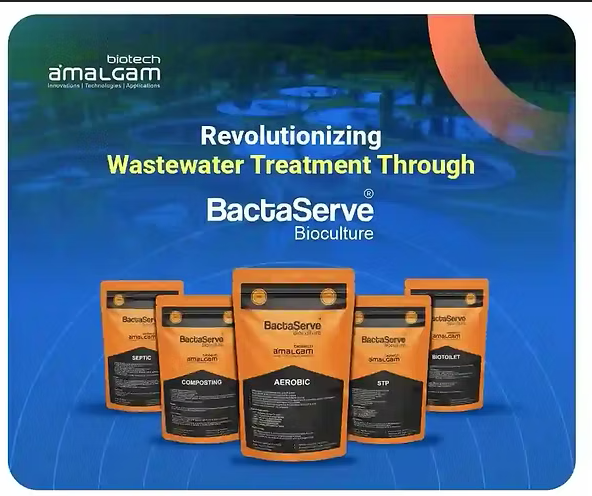
Innovative products like Amalgam Biotech’s bioculture ensure stable microbial activity, faster degradation, and improved plant performance across different industrial sectors.
Conclusion
Bioculture for wastewater treatment is transforming the way industries manage effluents by providing a natural, effective, and sustainable solution for pollutant degradation. With benefits like improved BOD/COD reduction, lower sludge generation, odor control, and overall cost savings, microbial formulations are now an essential component of modern ETP and STP systems.
To learn more and access high-quality microbial products, visit:https://www.amalgambiotech.com/bioculture
Comments